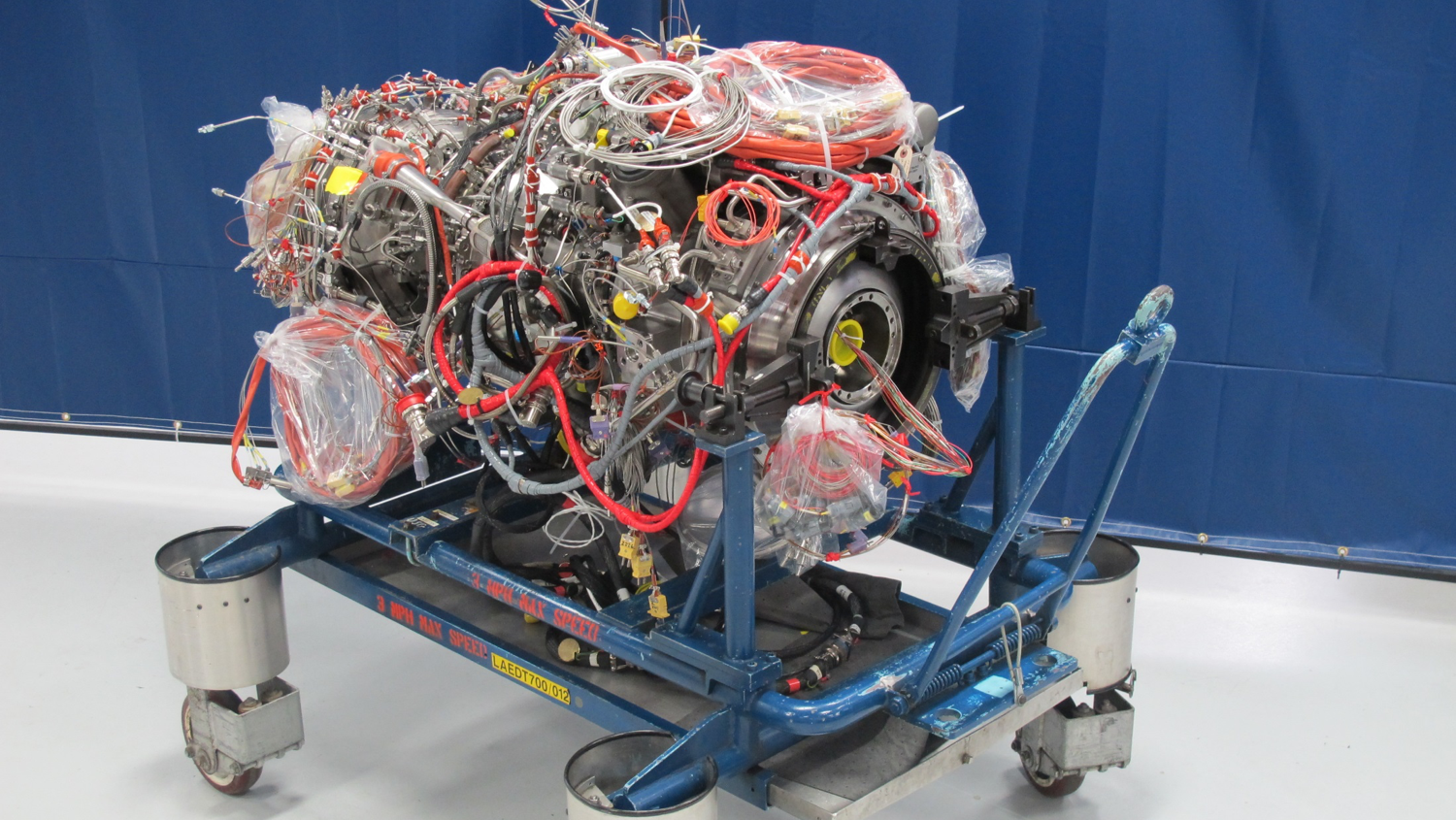
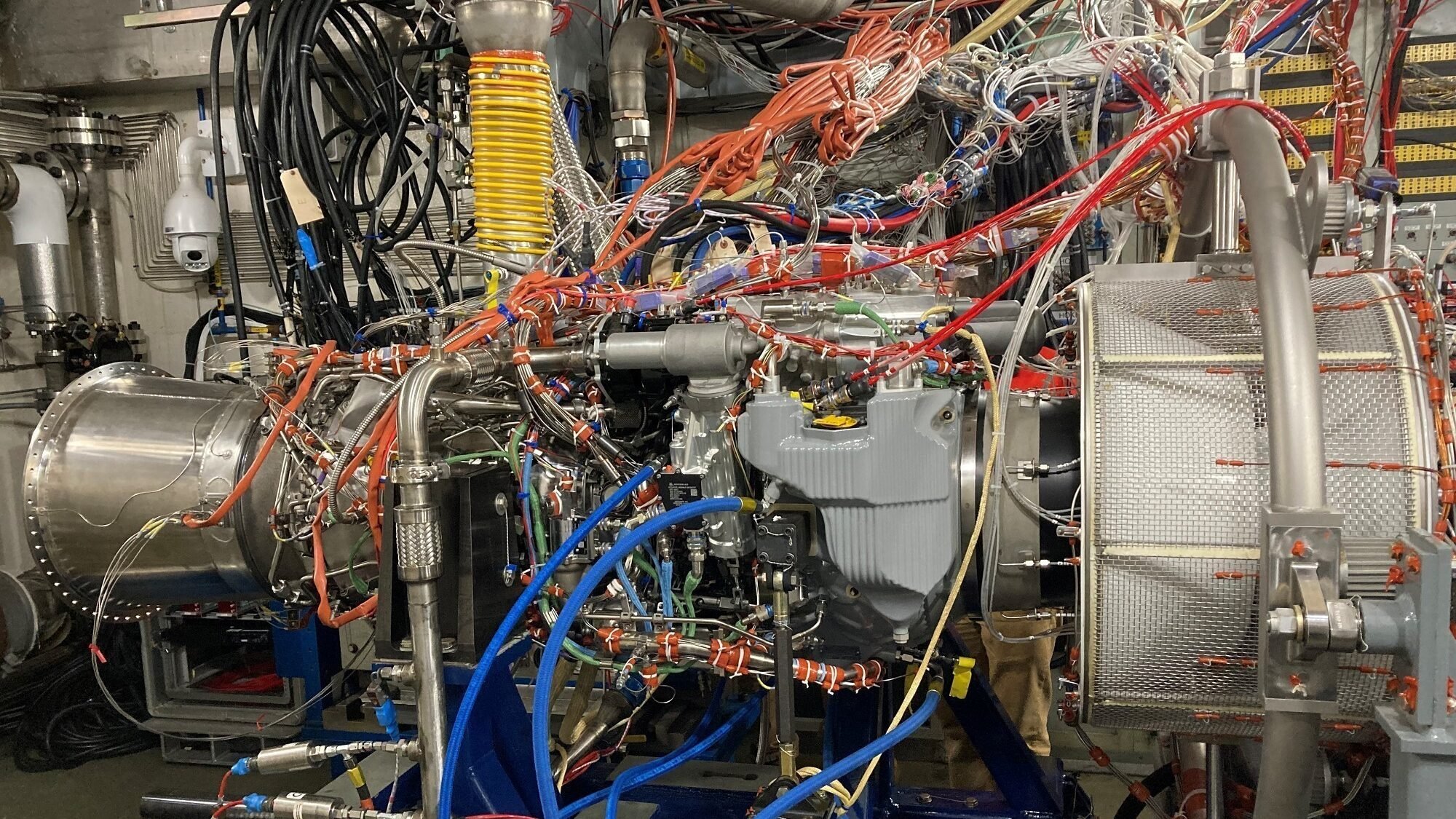
GE pushes for faster fielding of Army’s ITEP, Air Force’s NGAP engines
GE executive Mark Rettig said the company’s recent foray into hypersonic technology has opened a new range of opportunities for the engine maker.
GE executive Mark Rettig said the company’s recent foray into hypersonic technology has opened a new range of opportunities for the engine maker.
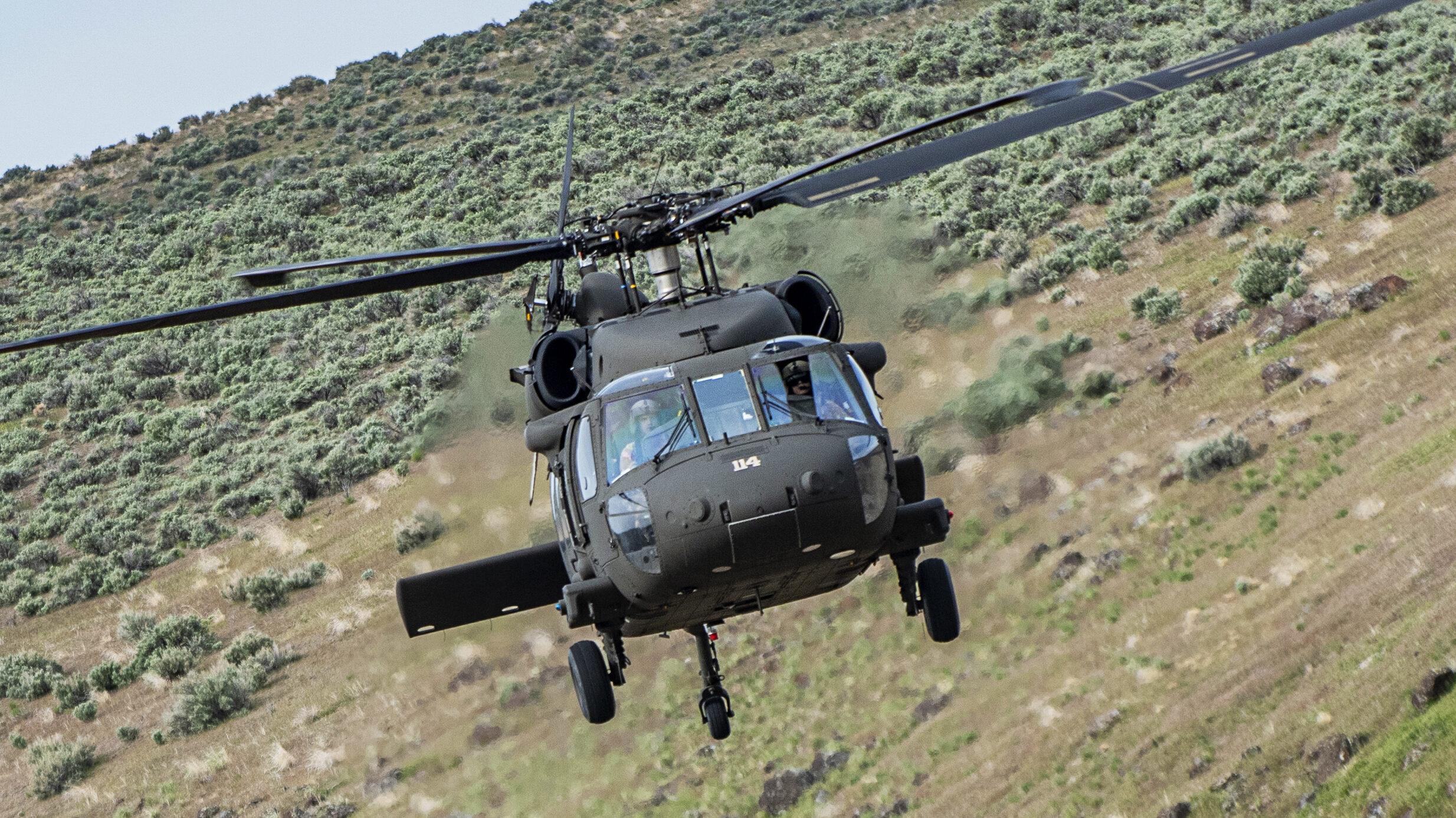
“Just like the Black Hawk, the Apache is going to be around for a while. Is it going to need an improved engine or can we just continue to modify the one that it has?” said Vice Chief of Staff Gen. James Mingus.

“We're ceasing investment and procurement into those two programs as part of the army transformation initiative so we can free up those resources and reinvest them,” an Army spokesperson told Breaking Defense today.

"It's an accident that seems to be preventable, for what we can tell," Army secretary nominee Daniel Driscoll said at his confirmation hearing Thursday.

The Army has received its first two ITEP engines, and a re-engined Black Hawk will fly in late FY25/early FY26.

Combined, the two potential sales come with a price tag of $1.9 billion.
Michigan’s defense ecosystem and expertise makes it a special asset for production.

Special operators had planned for FARA to take the role of the AH-6, but the program’s cancellation “changed our equation,” a SOCOM official said.
On Thursday, three soldiers were killed in a mid-air collision between two Apache attack helicopters in Alaska, weeks after nine died in a Black Hawk incident in Kentucky.
“For the next 40 to 60 years, I see us continuing to incrementally improve [the Black Hawk fleet],” Army Chief of Staff Gen. James McConville told lawmakers on April 19.

“The milestone decision authority is following a very deliberate and rigorous review process to ensure that the 60V is ready for full-rate production,” a spokesperson for the Program Executive Office for Aviation told Breaking Defense.


Consolidate network monitoring, performance management, and fault isolation into a single, comprehensive solution.

"Clearly the longer these negotiations take…. the harder it is for any defense contractor to be able to then say that they've got a low-risk solution, [especially] if the end date for delivery doesn't move," Adam Clarke, managing director at Leonardo Helicopters UK, told Breaking Defense.
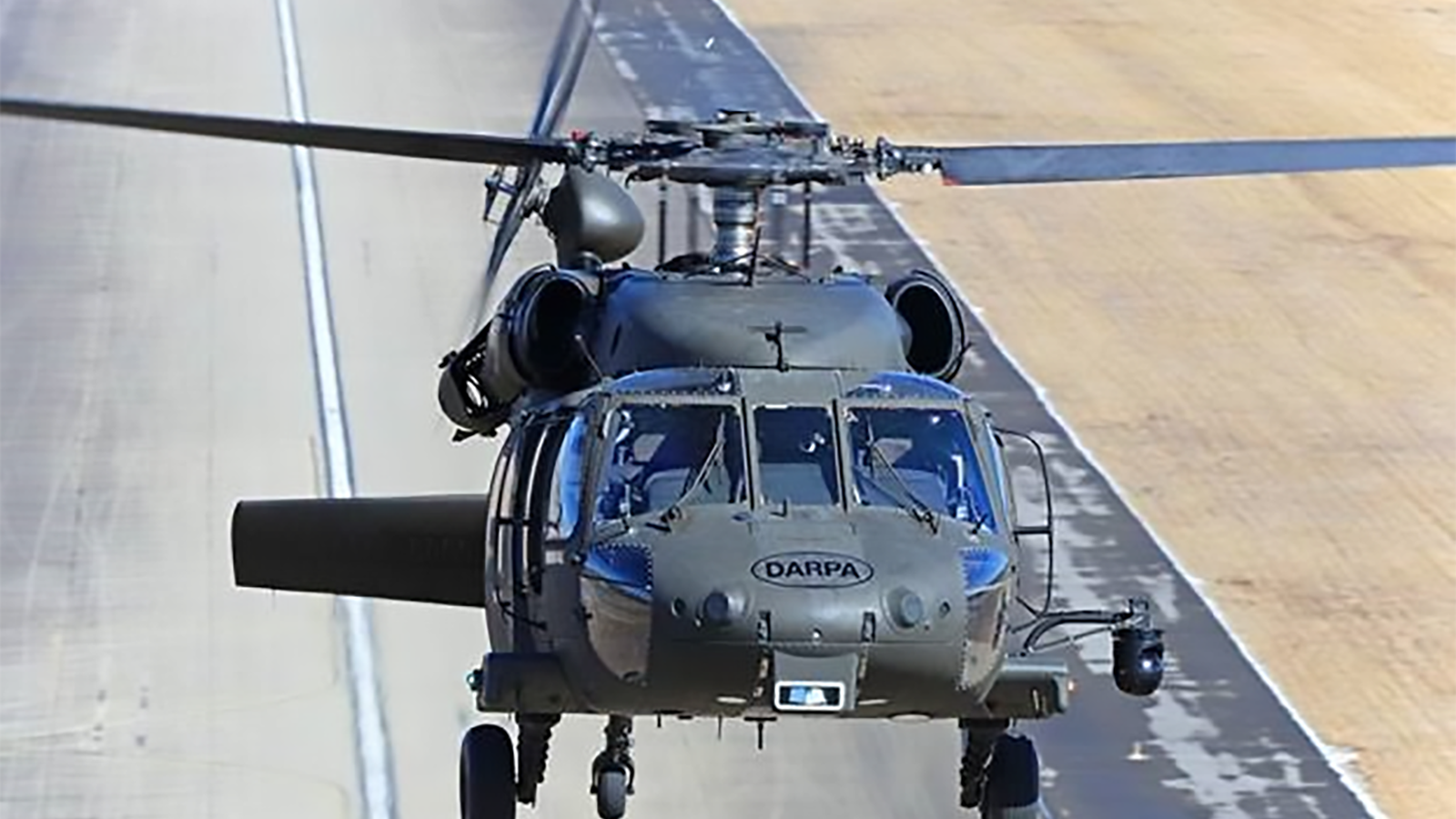
"My requirement was 'don't even bring it if it can't be flown fully autonomous,'" a senior Army Futures Command official said.

On the anniversary of the last US evacuation of Afghanistan, Col. Salim Faqiri discusses his harrowing escape from the Taliban and his new, difficult life in the US.

The testing took place under "realistic battlefield conditions" and five UH-60V's completed a total of 200 flight hours, the Army says.